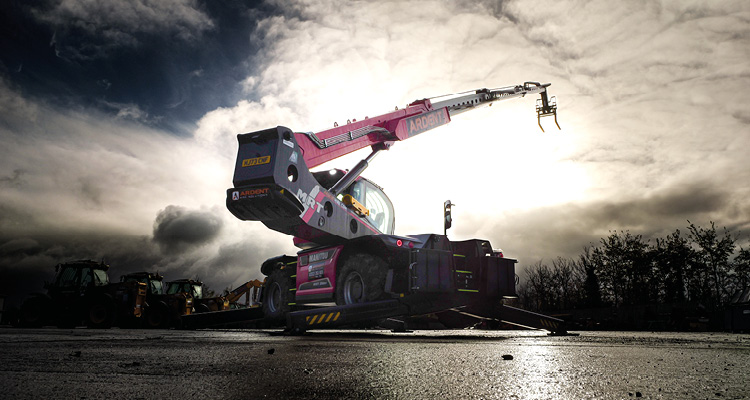
Ardent Hire Solutions reshapes plant hire through specialist focus, digital systems and leadership
The plant hire sector is undergoing rapid change, driven by technology, data and new expectations around performance. For some, that shift raises questions. For Jeremy Fish, Chief Executive Officer of Ardent Hire Solutions, it demands action.
“AI is going to sweep the business. It’s like a tsunami rolling across our business at the moment,” he says.
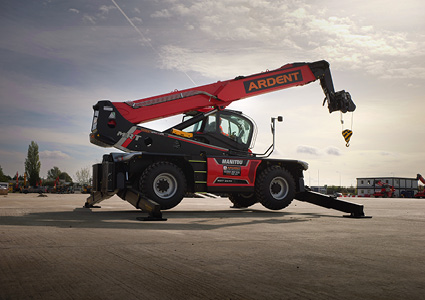
Jeremy is not holding back. Drawing on a career across industrial and service-led businesses, he is pushing Ardent further into that change, reshaping it around specialist equipment, digital systems and a model built on data, control and customer outcomes.
Sector shift
Ardent’s response to the call for change took shape as Ardent 2.0, a shift that redefined the business’ structure and market focus. “Two years ago, we became a specialist in telehandlers and roto telehandlers and launched Fuel-IT. We divested our excavator, dumper and powered access fleet and closed half our depots,” Jeremy shares.
Based in the UK, Ardent supports housebuilding, construction, infrastructure, and industrial projects across the country. The business has evolved from a generalist rental model into a more focused operation, with technology and service now playing a central role in how it supports customers.
Shifting from its initial broad business focus, Ardent has aligned its systems and processes around performance and customer outcomes. “The hire costs are now only part of the total cost of operating a hard fleet. Using technology, we help customers manage all those other costs. It helps them improve productivity, reduce operating costs and risk by making operations safer.”
As the business model shifts, a gap emerges between how value is delivered and how it is often assessed, especially in cost-driven environments. “The value that we deliver often far exceeds the hire price. People tend to focus on the hire price and miss the bigger picture,” he notes. Demand remains strong even as conditions tighten across the sector.
Digital backbone
Delivering an improved business model depends on systems, not just process. Over several years, Ardent has built a digital infrastructure that connects equipment, workflows, and customer interactions. Most day-to-day operations now run in a structured, data-led environment. “We’ve developed Ardent Connect and defined all our workflow processes using AI,” he remarks.
Ardent Connect structures workflows and documentation, while service systems boost customer visibility. One example is Track My Fitter, which provides real-time updates and creates a feedback loop for service visits. “You can track the fitter, see his ETA, who he is, what vehicle he’s driving, how long he’s been with Ardent, and then you can score him and give feedback.”
At the same time, the business is moving information into a central platform, replacing email-based processes and creating a structured record of equipment condition and activity. It allows data to be stored, accessed, and analysed consistently, rather than handled on a case-by-case basis.
The same principle shapes fuel management. Fuel-IT applies a structured approach to tracking usage for specific assets, revealing patterns that would otherwise go unnoticed. “It identifies exceptions automatically using AI, and then people respond to them to close down or open cases in the database. We have one customer saving £2.5 million as a result of introducing Fuel-IT,” Jeremy reports. Demand has followed, with no units currently available and a waiting list forming.
Cultural engine
Systems alone do not deliver change. Execution depends on people. Ardent’s management team has built the business around three approaches: passion, pace and performance, which guide behaviour across Ardent. “Passion for customers, the industry, colleagues and safety,” he explains. “Pace as we’re a service industry so we get things done quickly without compromising safety and Performance because we get things done together in teams.”
Those values shape how the business is run. “We don’t have any hierarchies. There’s no politics whatsoever in our business.”
Ardent’s internal DNA shapes how decisions are made. Employees act when their work aligns with strategy, rather than waiting for direction. “Whatever you’re doing in the business, if it’s helping us reach our strategy, carry on. Don’t wait to be asked, do it,” Jeremy says. In practice, that means teams on the ground drive changes, adjust processes and improve output. “People are self-empowered in the culture. They get on with things. We are religious about communication and culture. It’s part of what we call our management rhythm.”
For Jeremy, creating a solid team in a productive environment sits at the centre of leadership. “My job as CEO is to create a culture where everybody feels valued, can be the best they can be, and is learning, growing and feeling fulfilled.”
Investment cycle
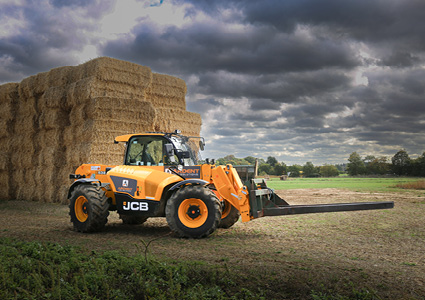
Alongside operational change, Ardent continues to invest in fleet, committing more than £55 million in telehandler capex in 2026. That level of investment brings exposure to asset values. “The risk in the business is if we can’t sell the equipment at the end of its life,” Jeremy says. Ardent manages asset sales flexibly. Equipment can stay on hire while markets adjust, allowing resale decisions to be timed appropriately. “If we can’t sell it, we just keep the fleet a bit longer, put it out on hire, and then sell it when we can. It’s not a huge risk.”
Fuel and future
Alongside cost and performance, sustainability is now part of the conversation. Contractors face pressure to track emissions and cut fuel use, which puts more focus on how equipment is managed on-site. Ardent’s approach centres on measurement and reduction, using data to pinpoint where fuel is used, wasted and controlled. Ardent prioritises reducing consumption through data, telematics and Fuel-IT. “We have one customer who cut fuel consumption from 12,000 litres per system per month to 4000 litres.”
Looking ahead, the focus is now on delivering the business strategy already in motion. “Our net promoter score has gone from 42 to 80,” Jeremy concludes.
Plant hire has long been a sector where price dominates the conversation. Ardent is making a case that it no longer has to. With a specialist model, a digital infrastructure connecting equipment to outcomes, and a leadership culture that moves without waiting for permission, the business is reframing what customers should expect from a hire partner. Jeremy knows the industry will not shift overnight. But Ardent 2.0 is already running, and the gap between those who have made that change and those who have not will only widen.