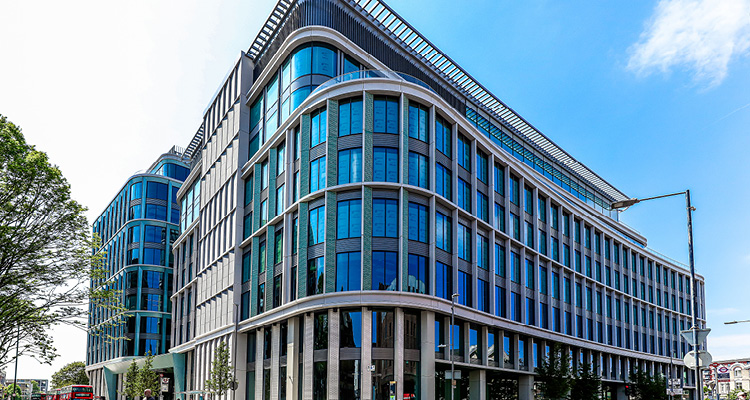
Clarke responds to construction’s shift towards innovation, safety, skills and digital delivery
As Clarke marks its 30th anniversary, the business is preparing for another period of change. Founded in 1996, it has evolved from its roots in specialist contracting into a building-envelope partner spanning advisory, design, manufacturing, installation, remediation and retrofit services across the UK. Those roots stretch back to the 1980s, when the Clarke family first built its reputation in construction.
Clarke’s evolution continues under CEO Eugene Clarke. Building safety requirements, carbon targets, labour shortages and digital transformation are putting construction under real pressure. Eugene explains, “Construction is under pressure to modernise and learn from other industries. But that’s where the opportunity lies. For businesses like ours, there is still plenty of ground to cover through digital tools, design, 3D, 4D and 5D modelling, and a more carbon-conscious approach to how buildings are delivered.”
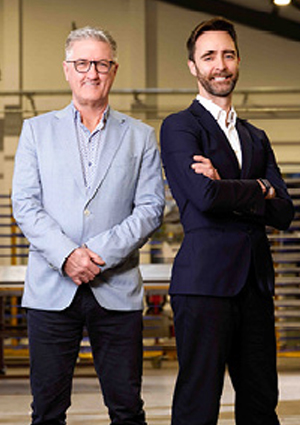
Eugene’s observation carries weight because Clarke’s own story reflects the changes now reshaping the industry. Eugene’s father founded the family business in the 1980s, initially focusing on plastering and flooring. In the following decade, the business moved into external building systems. Over time, it expanded from rendered façade systems into cladding, glazing and building-envelope solutions.
The shift was practical, not ideological. “We needed to find a way to grow sustainably while adding more value to the business. We started by investing in design and then manufacturing, which allowed us to take on higher-value work without significantly increasing labour on projects.” That decision changed Clarke’s place in the construction supply chain. Instead of arriving after major decisions had already been made, the company began contributing much earlier to the process.
That model now defines Clarke. The business operates across advisory, new-build construction, fire remediation and retrofit services. Clarke’s advisory teams work with clients, asset owners and design teams during pre-construction. Eugene adds, “We work to understand the building, identify challenges and develop the right solution. On new-build projects, that means influencing the design early, drawing on our experience of materials, construction methods and façade performance to help deliver the best outcome.”
Clarke’s ability to combine advice, design, manufacturing and delivery sets it apart from contractors who join projects later in the lifecycle. The market increasingly demands earlier collaboration, especially for building safety, retrofit and carbon reduction.
Clarke’s collaborative approach has driven steady growth. Its revenue grew from around £3 million in 2005 to an expected £60 million next year. “It’s been a huge journey – enjoyable, but we’ve learned a lot and gained valuable experience.”
Northern Ireland gave Clarke its foundations, but local opportunities could no longer support its goals. Then came London. “We felt we were starting to outgrow the scale of projects we wanted to be involved in, so we looked at London and thought, let’s see what opportunities are out there.
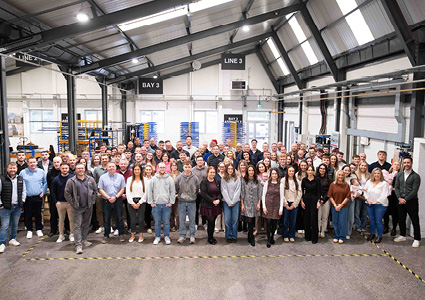
“The first project we won in London was worth £50,000 in 2011. Now, we’re preparing to sign a £36 million contract, so it’s a very different business from the one that landed that first job.”
Most of Clarke’s work now takes place in the UK. Still, Eugene doesn’t see expansion, investment or project wins as the biggest milestone in the company’s history. “One of the biggest turning points came when we crystallised our purpose and vision. We started asking ourselves why the company existed and what difference we wanted to make, whether that was for the built environment, the people who work here, the people we interact with or the people who use the buildings we help deliver,” Eugene reflects. Those answers reshaped Clarke’s approach to growth.
Talent and purpose
Commercial targets still matter, but now they form part of a broader ambition built around talent and purpose. Eugene shares, “By 2035 or 2040, we want to look back and see that we’ve left a legacy of talent. That we’ve brought people through the business, developed them and helped create better opportunities for them and their families. Importantly, we want to measure our impact on the built environment. How many buildings have we made safe? How many homes did we help create for young families? How many hospital beds did we help deliver? That’s the stuff that really matters to us.”
The conversation about legacy led Clarke to launch the Growth Academy, which formalises talent development pathways throughout the organisation. Clarke recognised that many of its strongest performers came up through apprenticeships and internal development routes, so the company built on that strength.
“We’re trying to break the stereotype that construction is just concrete and cement. There are opportunities in digital design, AI and 3D modelling, and most young people are amazed when they see the range of work that goes on in the business.” The programme creates opportunities through schools, colleges, work experience placements and apprenticeships, giving people early exposure to different disciplines before they settle into specialist career paths.
He sees the impact long before someone reaches a senior role. “You can see the person blossoming. You can see them growing into adults and taking control of their own life. It’s really satisfying.”
Clarke’s people-first focus shapes its relationship with the local community in Ballymena, where the company supports local organisations, skills development, and participates in manufacturing task forces, sustainability groups, educational initiatives and community events.
While many businesses rush to define comprehensive AI strategies, Clarke takes a different approach. “There’s definitely a role for AI. We don’t have a formal policy or charter yet, but we’re already using it in different parts of the business. We’re putting the right governance and ethical safeguards around it while giving people the freedom to explore what’s possible. The next step is understanding which processes and tasks AI can genuinely improve and making those part of how we operate.”
Clarke applies that balance between experimentation and oversight beyond technology. The company encourages new ideas but ensures implementation is measured. “We must be careful about how we introduce AI. Some people are nervous it’s going to take their job, so we need to communicate clearly and bring people along. The message is simple: this isn’t about replacing people. It’s about helping us become faster and more productive.”
Alongside AI, Clarke is launching a new enterprise resource planning platform to connect estimating, design, commercial management, installation and quality functions. Carbon reporting sits at the heart of the system. More AI capabilities are coming in future releases. This investment shows Clarke’s belief that technology, data and integrated processes will increasingly shape the future of construction.
Championing carbon reduction
Sustainability is another key part of Clarke’s agenda. Economic pressures have shifted attention elsewhere, but Eugene is confident that carbon reduction will soon return to the centre of industry discussions. “One of the reasons we brought design and manufacturing together was to create more efficient buildings using lower-carbon materials. By manufacturing off-site, we can reduce the waste that typically comes with on-site installation, helping lower the overall carbon footprint of a project.”
Now entering its fourth decade, Clarke has refreshed its three- to five-year strategy. The business is looking to deepen client relationships, expand its influence earlier in project lifecycles and keep investing in digital capabilities.
“We want to move closer to clients and their advisers because we believe our expertise adds the most value early in the process. Whether we’re helping deliver a new building or retrofitting an existing one, we understand how buildings are put together and, in the case of retrofit, how they can be taken apart and rebuilt to meet new requirements.”
Eugene concludes, “We still have a long way to go as an industry. Construction remains fairly traditional in how it operates, and that’s why I think we’ll see major changes over the next few years.”