
How to Vet Engineering Plans for Healthier, Safer School Refurbishments Before Breaking Ground
School refurbishment projects promise brighter classrooms and healthier learning environments when decisions support those ambitions before construction begins. School estate managers and procurement leads can vet engineering plans by weighing student well-being against the practical demands of budgets and deadlines. A thorough review creates an opportunity to question assumptions while there’s still time to shape a safer, more manageable project.
Assessing Site and Soil Conditions Before Construction Begins
California requires proposed school sites that receive state acquisition or construction funding to undergo a stringent assessment under the oversight of its environmental regulator. Although that requirement applies within a defined scope, its emphasis on investigating contamination offers a useful benchmark for refurbishment planning elsewhere.
The review of an existing campus should examine prior land uses, even when current drawings show no underground hazards. Incomplete records leave open questions about former fuel storage areas or other potential sources of contamination. To address uncertainties, the approval process needs an agreed response to unexpected discoveries, with the following queries establishing who takes responsibility:
- Has the team checked historical records for former fuel storage or industrial activity and inspected the property?
- Who can stop excavation, arrange testing and authorize reserve spending if crews encounter contamination?
- Which agency requirements must the contractor satisfy before resuming affected work?
At E. Merton Crouthamel Elementary School in Pennsylvania, crews uncovered a 285-gallon underground storage tank during expansion work. After finding contamination, Element Environmental Solutions directed removal of over 200 tons of affected soil while checking air in nearby classrooms.
The firm combined groundwater monitoring and vapor mitigation with further investigation of fumes beneath existing rooms. Its coordination with the contractor prevented vapor-related concerns from delaying the addition while the wider cleanup continued toward state approval.
Scrutinizing HVAC Replacement and Indoor Air Quality Plans
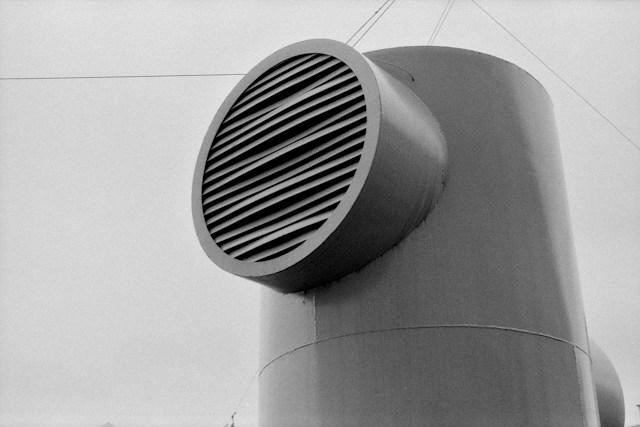
The U.S. Environmental Protection Agency recommends a multidisciplinary approach to building design because isolated planning can produce oversized or incompatible systems. For heating, ventilation and air conditioning (HVAC), coordination connects classroom needs with the electrical supply and roof support.
Chartertech High School for the Performing Arts in Somers Point, New Jersey, commissioned Broadley’s Plumbing, Heating & Air Conditioning to install nine 3-ton and two 2-ton rooftop units. The combined HVAC and lighting project is estimated to deliver annual energy savings exceeding $6,900.
Although these quantities describe the installation, an HVAC replacement quote still requires calculations to justify the proposed capacity. Procurement leads also must know how the controls will supply outside air during occupied hours. Before authorizing the purchase, they can use the following questions to connect the design with installation requirements and warranty terms:
- Do the calculations support each unit’s size for the spaces it serves, and do the electrical and structural drawings confirm compatibility?
- How will occupancy and outdoor conditions affect ventilation without compromising required airflow?
- What labor warranty applies to installation and controls, separately from the equipment warranty?
The Chartertech design paired occupancy-responsive ventilation controls with sensors that compare indoor and outdoor temperatures and humidity to enable economical cooling. With installation coordinated around the school calendar, Broadley’s completed the work over spring break without interrupting learning.
Overhauling Water Systems to Eliminate Lead Risks
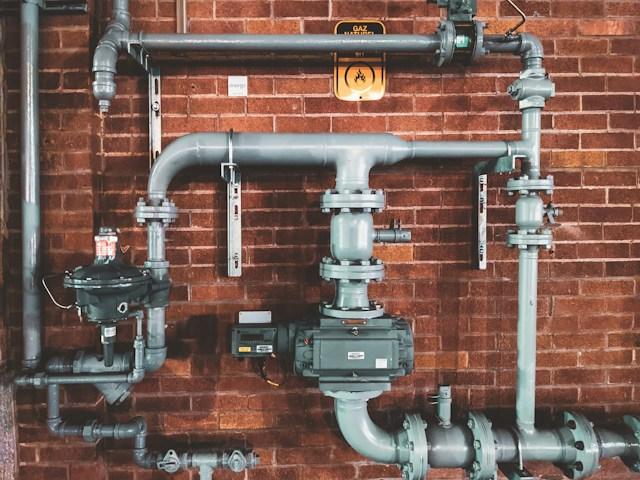
The Centers for Disease Control and Prevention identifies no safe blood lead level for young children. Since pipes, fixtures and solder can introduce the metal into drinking water, a school must address its source and any immediate exposure.
Morrison-Maierle used individualized testing to pinpoint affected areas at Cornelius Hedges Elementary in Kalispell, Montana, before planning selective plumbing replacement. Its broader assessment separately examined hazardous materials in finishes and insulation to address additional concerns that opening the walls could uncover.
Even with that groundwork complete, construction planning must account for occupied periods when students need functioning sinks and toilets. Assigning responsibility for interim filters or restricted outlets helps bridge the gap until permanent repairs finish, while the following questions clarify the scope and sequence:
- Has sampling distinguished contaminated fixtures from affected pipes behind walls?
- Which components will the contractor remove or retain, and what verification will be required before returning the outlets to service?
- How will the schedule accommodate shutoffs without disrupting school activities or access to essential facilities?
By dividing the Cornelius Hedges project into smaller phases for multiple contractors, Morrison-Maierle accommodated local staffing shortages and completed the work during summer break. Within that compressed window, the improvements included a new water service entrance and rebuilt hot-water piping while leaving unaffected sections intact.
Choosing Low-VOC Materials for Healthier Classrooms
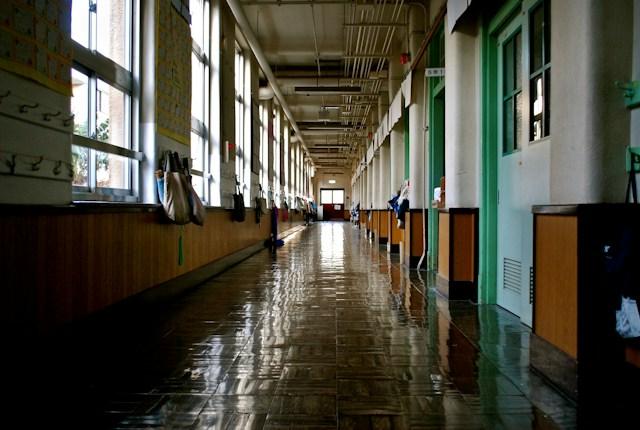
The EPA links careful material selection to avoiding potential sources of indoor pollutants. Applying that guidance means assessing volatile organic compound (VOC) emissions from proposed finishes in the context of how classrooms will receive fresh air.
For The Nueva School’s Science and Environmental Center in Hillsborough, California, Leddy Maytum Stacy Architects specified formaldehyde-free products and linoleum flooring together with no-VOC paints and adhesives. These specifications complemented a ventilation strategy that addressed contaminants entering from outdoors.
During wildfire events, that external threat requires a different response from controlling chemical releases inside. The project’s filtered outside-air supply was designed to maintain healthy conditions during smoke episodes, demonstrating why procurement teams must distinguish the role of each protective measure.
Carrying such intentions through construction requires written purchasing criteria that contractors must satisfy before ordering supplies. An approval process for substitutions can help prevent alternatives from bypassing the original assessment, with the following questions establishing the required documentation:
- Has the team established a written list of substances to avoid?
- What independent emissions-testing evidence supports each proposed finish, rather than general environmental or ingredient declarations alone?
- Do requirements address formaldehyde as well as VOC limits across all relevant product categories?
Turning Vetting Questions Into a Refurbishment Checklist
Recording decisions while vetting engineering plans gives stakeholders an account of what the design must deliver before construction starts. During installation and handover, staff can use it to check work while keeping unresolved responsibilities visible. By carrying those requirements into maintenance planning, estate managers can preserve the reasoning behind today’s approvals for the individuals who will operate the refurbished school.
*Please note that this list includes sponsored content. Some of the companies, products, or services featured have entered into commercial agreements for placement. Sponsored placements do not necessarily reflect an endorsement and should be considered alongside other options in the marketplace.