How Solus Ceramics’ customer-first strategy presents the perfect mosaic of innovation, sustainability, and craftsmanship
Guided by Solus+, its commitment to responsible sourcing and more considered material choices, Solus Ceramics connects architects, designers, and developers with carefully selected tile solutions from manufacturing partners that share its focus on quality, innovation and continuous environmental improvement. Since 1995, the business has combined technical knowledge, design insight and dependable service to support projects of every scale.
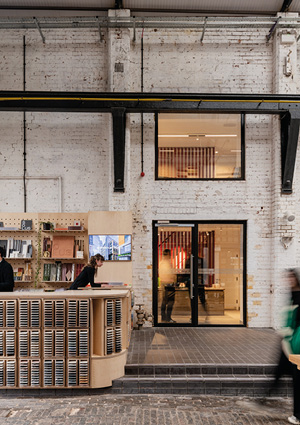
Founded by Peter Bentley as a small family business, Solus has evolved into a leading supplier of architectural ceramics to projects across the globe, with showrooms in Birmingham, Manchester and London. Over the last 31 years, its carefully curated collection has developed in collaboration with leading factories, innovative designers and project teams, creating a distinctive palette where every tile tells a story of craftsmanship, innovation, design and sustainability.
People, products, and partnerships
Today, Solus remains a family-run business, led by Peter’s son, Chief Executive Officer Marcus Bentley, and Managing Director Ryan Bennett. As the company continues to uphold Peter’s values of hard work, integrity, loyalty and customer centricity, it is entering a fresh era marked by an evolving brand position and an array of exciting, more sustainable new products. We speak to Creative Director Sam Frith and Commercial Director Ian Hamilton about the company’s refreshed direction, current operations and future ambitions.
“Solus has been a successful business for over 30 years,” Sam begins. “When Ian and I joined Solus five years ago, we joined a business with a fantastic model, strong supplier relationships and a reputation for dependable service. Working with Marcus, Ryan and colleagues across the company, we saw an opportunity to deepen the way we engaged with the architecture and design community.
“Through client feedback, feasibility work and insight from across the business, we recognised how important design, community and sustainability were becoming to our customers. The opportunity was to bring those qualities more visibly into the Solus proposition, while retaining everything that had made the company successful.
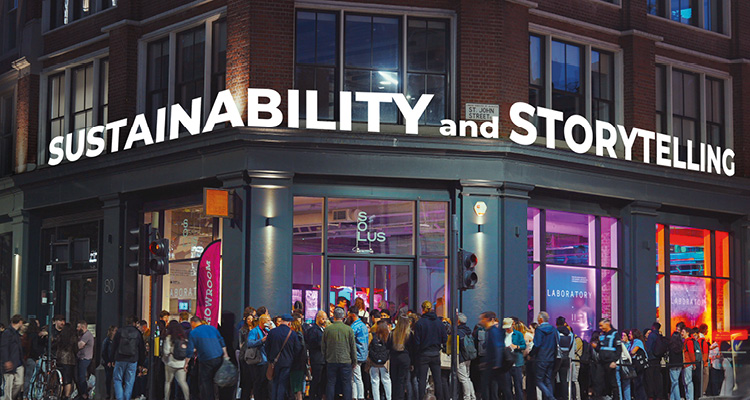
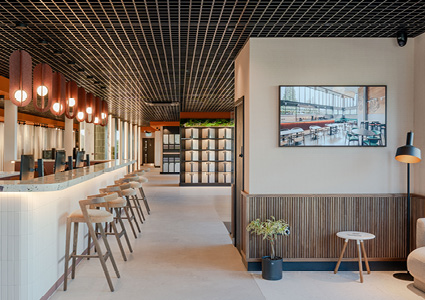
“One of the clearest expressions of that was the evolution of the Clerkenwell showroom,” he reveals. “It became a shared investment in creating a more flexible and welcoming space for the architecture and design community: somewhere people could meet, exchange ideas and access genuine resource and expertise, rather than simply being presented with product.
“That people-first thinking has increasingly guided the wider Solus experience. The aim is to understand what matters to people and their projects before putting product in front of them. It is about making the relationship more meaningful, useful and collaborative.”
“Taking product away from a traditional showroom model in central London was a bold decision, supported by the wider board and business,” Ian affirms. “Alongside continued investment in people, service, product and partnerships, Solus has seen strong commercial momentum over the past four to five years. It has brought people together and helped make us a stronger, more distinctive and more interesting company.”
Sustainability and storytelling
With a renewed focus on design, community and collaboration firmly embedded within the business, Solus then looked to identify products that embodied those same values. It was a search for innovation and differentiation that would lead to an unexpected opportunity in terrazzo, perfectly aligned with the company’s wider sustainability ambitions. This led to the creation of one of Solus’ most distinctive products: Spolia.
“Spolia emerged through conversations between our sales team, Quiligotti, Andrews Tiles and colleagues across Solus,” Ian explains. “We were looking for a product that could give us genuine differentiation while offering our clients something more flexible, expressive and meaningful.
“Quiligotti had invested in a new plant that enabled terrazzo to be made in a more adaptable way, using a broad range of aggregates to create bespoke materials. We recognised that this was exactly the kind of opportunity that aligned with the direction Solus was taking.
“Drawing on conversations with the clients we already supplied, and the creative input of our teams and partners, Spolia developed as a platform for more project-specific material stories. It was rooted in sustainability, but also in the idea that materials can carry memory, identity and a real connection to place.”
One of the most notable early examples was Greycoat’s Finsbury Dials project, where Solus worked with the wider project team to help recover approximately 80 to 90 tonnes of pink granite from the original building. The granite was then crushed and incorporated into terrazzo for use within the redevelopment itself.
“That approach caught the attention of the architecture and design community,” Ian continues. “It demonstrated how recovered material can become a meaningful part of a project’s next chapter, creating a surface with both environmental value and a distinct connection to the history of a place.”
“Spolia has opened important conversations within the architecture and design community about sustainability and storytelling,” Sam adds. “It has helped us explore how materials affect the way people feel about, understand and use spaces. It has also deepened our relationship with the sector and enabled us to support a number of charities and initiatives.
“One that we are particularly proud of is Build The Way, which is set up and funded by a network of architectural practices to support young people who may not otherwise have the opportunity to enter the built environment. Every year, Solus contributes to the funding of the initiative’s interns and supports the exhibition that follows their placements.
“This year, we are hosting that exhibition in our Clerkenwell showroom. Each intern has taken objects from their own histories and homes and incorporated them into terrazzo tiles. Their engagement with the process has been remarkable. That is where the storytelling in Spolia becomes particularly special: it gives people a way to turn personal experience into something physical and lasting.”
Prioritising relationships
As Solus enters its next chapter, it continues to place people, design and sustainability at the heart of its strategy. From innovative solutions such as Spolia to its continued investment in meaningful industry relationships, the business remains focused on anticipating future needs while staying true to the family values that have guided it for more than three decades.
With ambitious growth plans and a clear vision for the future, Solus is well positioned to continue shaping inspiring spaces for years to come.
“Solus is increasingly supporting large and complex international projects, providing products and systems for a wide network of brands,” Sam affirms. “That capability builds on a long-standing strength within the business: managing detail, relationships and delivery at scale.
“With our refreshed positioning, we want to continue learning from the architecture and design community and allowing that insight to inform the way Solus develops its products, spaces and services. The goal is to remain relevant, useful and genuinely connected to the people we work with.”
“For us, one of the most important principles is not becoming complacent,” Ian concludes. “We cannot simply focus on what is in front of us today. We have to look at what will matter in five years’ time, and continue investing in the people, relationships, products and capabilities that will allow Solus to grow in the right way.
“What we rely on more than anything in our industry is the quality of the relationships we create. That has always been fundamental to Solus, and it will remain central to everything we do next.”