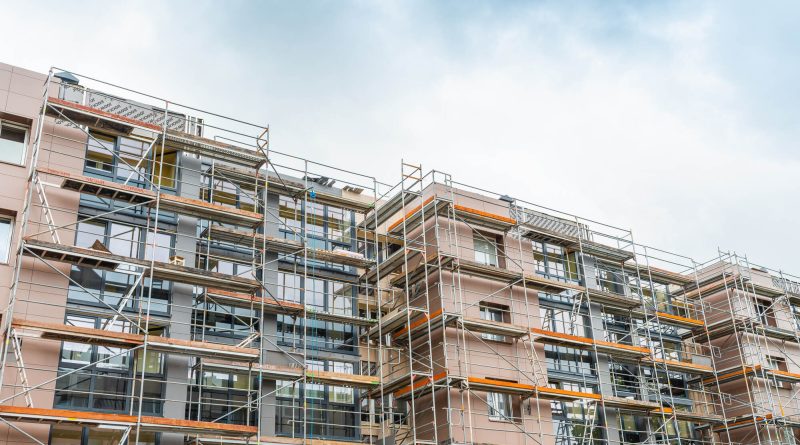
UK introduces tougher laws to tackle unsafe building cladding
Subscribe to our free newsletter today to keep up to date with the latest construction and civil engineering news.
The UK government has introduced legislation that would impose tougher penalties on building owners who fail to remove unsafe cladding, as it seeks to accelerate repairs to thousands of residential buildings across England.
The Building Safety (Remediation of Unsafe Cladding etc) Bill, introduced to Parliament on Oct. 14, proposes financial penalties of up to £500,000 for those who fail to comply with remediation orders. It would also give authorities new powers to carry out repairs when those responsible refuse to act.
The legislation comes nine years after the Grenfell Tower fire and follows years of delays in removing dangerous materials from residential buildings.
According to government figures published in September, 2153 residential buildings measuring at least 11 meters had yet to begin cladding remediation by the end of August 2026.
For developers, building owners and construction product manufacturers, the bill could bring greater legal responsibility, higher financial exposure and increased pressure to complete safety work.
New legislation would give regulators stronger enforcement powers
The proposed legislation would introduce a legal duty for those responsible for building safety, including freeholders, to identify, assess and address unsafe cladding without delay.
It would also strengthen the existing system of remediation orders, which can require responsible parties to carry out work on buildings affected by serious safety defects.
Under the proposals, the First-tier Tribunal could impose penalties of up to £500,000 on parties that fail to comply with a remediation order. Those who obstruct safety work could also face criminal penalties.
Another measure would allow third parties, including local authorities and Homes England, to arrange remediation when responsible building owners repeatedly fail to act.
This would provide another way to secure repairs to buildings where ownership disputes, financial problems or continued delays have prevented work from progressing.
The bill also proposes a new register of medium-rise residential buildings in England. Failure to register could lead to civil penalties of up to £7,000, with higher penalties of up to £40,000 or prosecution also possible.
The legislation would establish consistent requirements for fire risk appraisals of external walls. These assessments help determine whether a building requires cladding repairs.
Where remediation is needed, responsible parties would have to provide residents with plans outlining the proposed work and expected timescales.
For building owners and property management companies, these measures could increase the need for accurate building records, regular inspections and clear documentation of safety decisions.
They could also reduce the time available for owners to respond when a building is found to contain unsafe materials.
Developers and manufacturers face greater financial exposure
The proposed legislation would make it easier for developers, contractors and other parties that have paid for cladding repairs to recover costs from construction product manufacturers.
Under the bill, those who fund remediation could pursue manufacturers where their products contributed to a building being unsafe.
The government says existing legal barriers have made it difficult for some parties to recover these costs, even where defective products contributed to safety problems.
For manufacturers, the proposed changes could increase their exposure to legal claims linked to past construction projects.
This may lead companies to review product testing records, certification documents and evidence of compliance with building regulations.
Developers and contractors may also need to examine how they manage supplier agreements and retain information about materials used in construction.
Product records could become more important when determining which companies are responsible for defects and how remediation costs should be shared.
However, the financial impact will depend on the final legislation and how its provisions are applied by courts and tribunals.
The bill does not automatically make every manufacturer responsible for cladding remediation costs. Claims would still need to establish the legal grounds for liability.
The wider construction industry also faces practical challenges.
Removing unsafe cladding often involves several parties, including building owners, contractors, specialist engineers, insurers and residents.
Disputes over responsibility and funding can delay work before construction begins.
Clearer legal duties may help resolve some of these disputes, but the pace of remediation will also depend on the availability of skilled contractors, suitable replacement materials and the ability to coordinate repairs in occupied buildings.
The scale of unfinished repairs tests the government’s plans
Although the government has reported further progress on building safety, the latest remediation figures show that substantial work remains.
Data published by the Ministry of Housing, Communities and Local Government on Sept. 30 identified 4724 residential buildings measuring at least 11 meters with unsafe cladding whose remediation progress was being monitored.
Of these, 1849 buildings, or 39%, had completed remediation by the end of August 2026. Another 722 buildings, or 15%, had started work.
The remaining 2153 buildings, representing 46% of the monitored total, had not begun remediation.
The completed figure also includes some buildings awaiting building control sign-off.
The government estimates that between 5800 and 7300 buildings will require remediation through its programs, indicating that further buildings may still need to be identified.
These figures show the scale of the challenge facing regulators and the construction industry.
While stronger enforcement powers may encourage building owners to act, repairs also require funding, technical assessments and construction capacity.
The government has committed more than £5 billion to remediation measures and says more than 470 additional buildings have completed cladding work since the publication of its Remediation Acceleration Plan.
It expects the proposed legislation to accelerate remediation for around 12,000 residents, including about 3000 whose buildings could benefit from new powers allowing third parties to intervene.
The government’s existing target remains that every building over 11 meters with unsafe cladding should either be remediated or have a clear completion date by the end of 2029.
That target does not mean all affected buildings must have completed repairs by that date.
For the construction sector, the proposed legislation could create greater demand for building assessments, facade engineering and specialist remediation services.
However, the number of projects that can move forward will depend on funding decisions, contractor availability and how quickly building owners can agree on the necessary work.
The bill must also pass through Parliament before its new legal powers can take effect.
Its progress will be closely watched by building owners, developers and manufacturers, particularly those managing older residential buildings or facing disputes over past construction defects.
With nearly half of monitored buildings yet to begin remediation, the main test will be whether stronger enforcement leads to a sustained increase in completed repairs.
Source:
GOV.UK