What Should Telecommunications Contractors Look for in a Used Service Truck? These Are the 4 Top Features
Picture your crew pulling up to a pole at 7 a.m. to find a sluggish boom, a splicing kit buried under cable reels and a transmission that hesitates on every shift. A used service truck bought on looks alone can turn a routine install into a lost day.
Four features reveal how to check a used service truck for a telecommunications contractor, and where to find one worth owning.
1. Check the Engine, Transmission and Mileage History
Start with the drivetrain, since a faulty one carries the biggest repair bill. Note how the engine behaves on a cold start, listen for a smooth idle and look for leaking or dirty fluids. Ask to start the engine cold yourself, because a warmed-up engine can mask hard-starting problems. On a test-drive, the transmission should shift cleanly through every gear without slipping or sticking.
Mileage tells only part of the story. A truck that idles for long stretches on a jobsite may log significant engine wear without adding many miles, so ask for engine hours too. If a shop replaced the engine or transmission, find out when and why, then inspect the turbo and fuel systems closely.
2. Confirm the Truck Meets the Weight and Payload Needs
Gross vehicle weight rating (GVWR) is the loaded weight a manufacturer specifies for a single vehicle, and the official definition comes straight from federal regulations, with a maximum GVWR of 10,000 pounds for Class 2B trucks and vans.
Crew, tools, cable reels and materials all count toward that number and overloading a used service truck for a telecommunications contractor can be a costly mistake. To check a candidate vehicle, add up your total loaded weight and compare it with the vehicle’s official ratings.
3. Inspect the Body, Storage and Aerial Equipment for Telecom Work
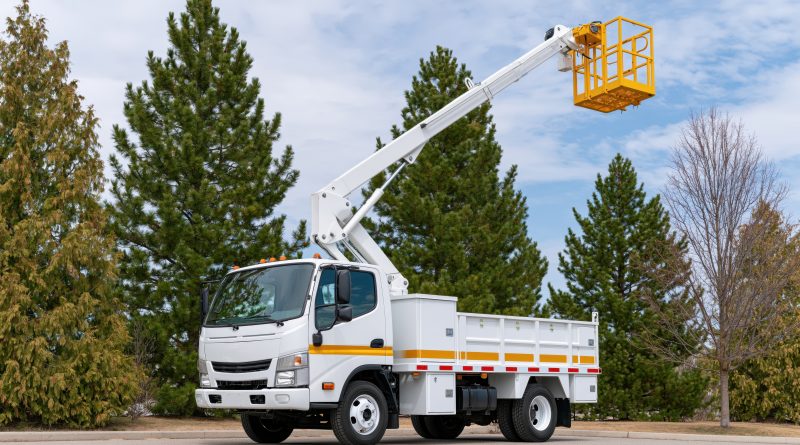
Inspecting a utility or bucket truck for telecommunications work means checking structural integrity, hydraulic systems, dielectric performance and storage layout.
Focus on these areas:
- Lockable storage: Compartments should hold fiber and splicing tools in an organized, secure layout that suits your crew’s workflow.
- Boom and bucket condition: Look over the boom welds and bucket for cracks, repairs or uneven wear.
- Hydraulics and outriggers: Check hoses, cylinders and outriggers for leaks and smooth, steady movement.
- Dielectric records: Consider requesting recent dielectric test documentation for any boom that may operate near energized lines.
Compliance matters here too. OSHA’s operating guide for aerial lifts requires equipment to meet American National Standards Institute A92.2 design standards, calls for daily control tests of boom platforms before use and sets strength requirements for critical hydraulic components. Depending on how you use the truck, Department of Transportation requirements may also apply.
Ask the seller for inspection and test records to confirm these items. Remember that states have different requirements, so purchasing a vehicle from out of state may have consequences.
4. Review Maintenance Records and Vehicle History Reports
A clean-looking truck can hide a rough past, so ask for the maintenance logs before you commit. Consistent service records can point to dependable field performance. They help you gauge compliance. Look for regular oil changes, hydraulic service and aerial equipment repairs. Gaps in the records deserve questions, since missing or skipped upkeep makes future repair costs harder to predict.
Pair those logs with a report from the National Motor Vehicle Title Information System (NMVTIS). Buyers who order an NMVTIS vehicle history report can flag brands, total-loss and salvage history, among other fraud and theft indicators. The report works best alongside an independent inspection.
Where Can You Buy a Used Service Truck for a Telecommunications Contractor?
Each listed provider can help you find a used service truck for a telecommunications contractor, though each takes a different approach.
1. Custom Truck One Source
Custom Truck One Source offers one partner for every type of fleet. Its Cradle-to-Grave approach pairs sales with rentals, parts and service, which makes Custom Truck One Source a strong answer for contractors asking where to buy a used service truck.
Key Features
- Deep inventory: More than 1,800 trucks are in stock nationwide, including preowned units.
- Wide footprint: Over 40 locations support buyers, with financing available.
- Utility and telecom focus: Bucket trucks, digger derricks and a dedicated tools category serve field crews.
2. Altec NUECO
Altec NUECO specializes in used bucket trucks, digger derricks, cranes and telecom equipment. It is the sole provider of Altec Certified Preowned equipment.
Key Features
- Reconditioning: Each unit undergoes inspection, dielectric testing and any necessary repairs.
- Height range: Bucket trucks extend to heights from 29 feet to 75 feet and up, with a dedicated telecom category.
- Service reach: Altec service centers operate across the United States and Canada.
3. PTR
Rounding out the list, PTR provides truck and trailer solutions for infrastructure work across the country. Its used vehicle listings are worth checking, so ask about available equipment and inspection details.
Key Features
- Utility focus: The company, founded in 2014, centers on customized solutions for utility contractors.
- Coast-to-coast support: Facilities in Indiana and Texas partner with a nationwide network.
- Inspection support: Contractors can ask about current used inventory, condition details and inspection documentation before choosing a truck or trailer.
Frequently Asked Questions About Used Service Trucks
Here are the most commonly asked questions about buying a used telecommunications truck.
Q: What’s the difference between a bucket truck and a service body truck for telecom work?
A: A service body truck offers lockable compartments for fiber and splicing tools, testers and connectors. A bucket truck adds an aerial device for elevated work at poles and towers, and OSHA’s aerial lift standard governs it, so its boom and hydraulics deserve a closer look.
Q: How do I know if a used truck can handle my crew’s workload?
A: Add up the weight of your crew, tools and materials, then compare that total with the truck’s GVWR rather than its empty weight. Stay under the weight rating to avoid overloading.
Q: Should I request a vehicle history report before buying?
A: Yes, you should request both the maintenance logs and an official vehicle history report before you buy. Together they show how the truck was maintained and whether its title carries any warning flags.
Start Your Search for the Right Used Service Truck
Finding the right truck comes down to four checks. Start with the engine and transmission, confirm the weight rating fits your crew and gear, inspect the body and aerial equipment and verify the records behind the vehicle.
Those steps show what telecommunications contractors should look for in a used service truck before money changes hands. When you’re ready to compare inventory, contact any of the providers and request details about a truck that may fit your jobs. A little diligence now can keep your crew productive on the next install.
*Please note that this list includes sponsored content. Some of the companies, products, or services featured have entered into commercial agreements for placement. Sponsored placements do not necessarily reflect an endorsement and should be considered alongside other options in the marketplace.